
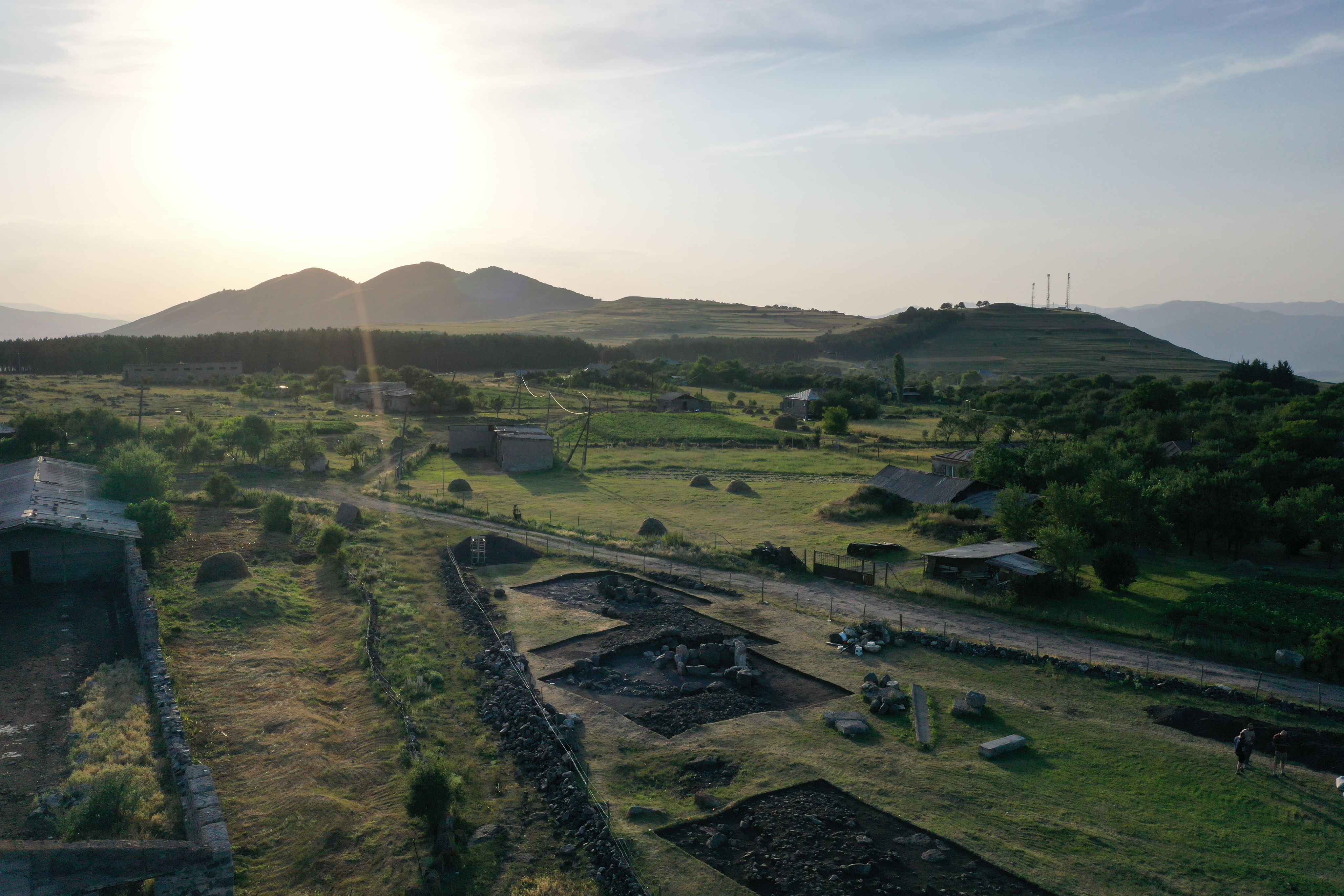
Post Excavations
4/15/26
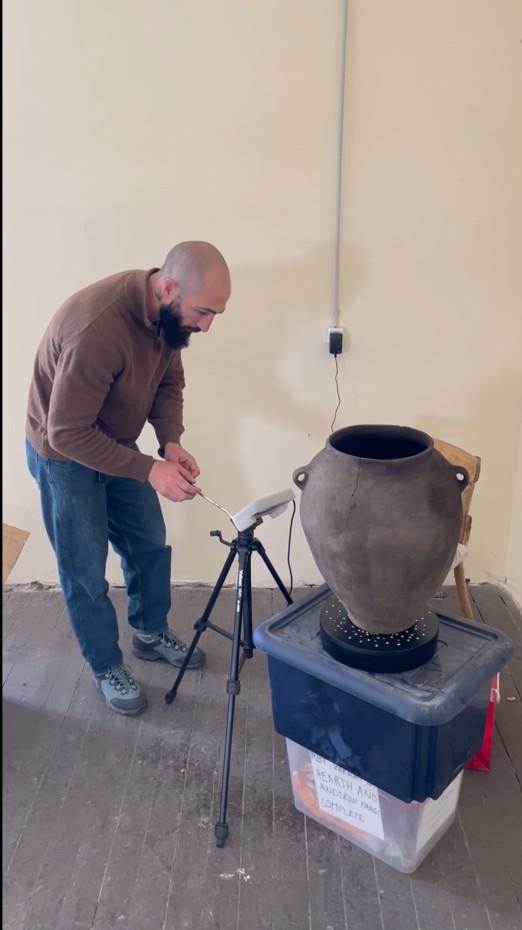
არტეფაქტების 3D სკანირება
რაბათის ნამოსახლარზე აღმოჩენილი თიხის ჭურჭლის 3D სკანირება უზრუნველყოფს მათი ზუსტი ციფრული მოდელების შექმნას დაზიანების გარეშე, რაც საშუალებას იძლევა დეტალურად იქნა შესწავლილი ჭურჭლის ფორმა, ორნამენტაცია და დამზადების ტექნიკა. ამ მეთოდის გამოყენებით შესაძლებელია მონაცემების ხანგრძლივი შენახვა, მათი გაზიარება საერთაშორისო სამეცნიერო სივრცეში და გამოყენება როგორც კვლევით, ისე საგანმანათლებლო და პოპულარიზაციის მიზნებისთვის.
4/15/26
4/2/26
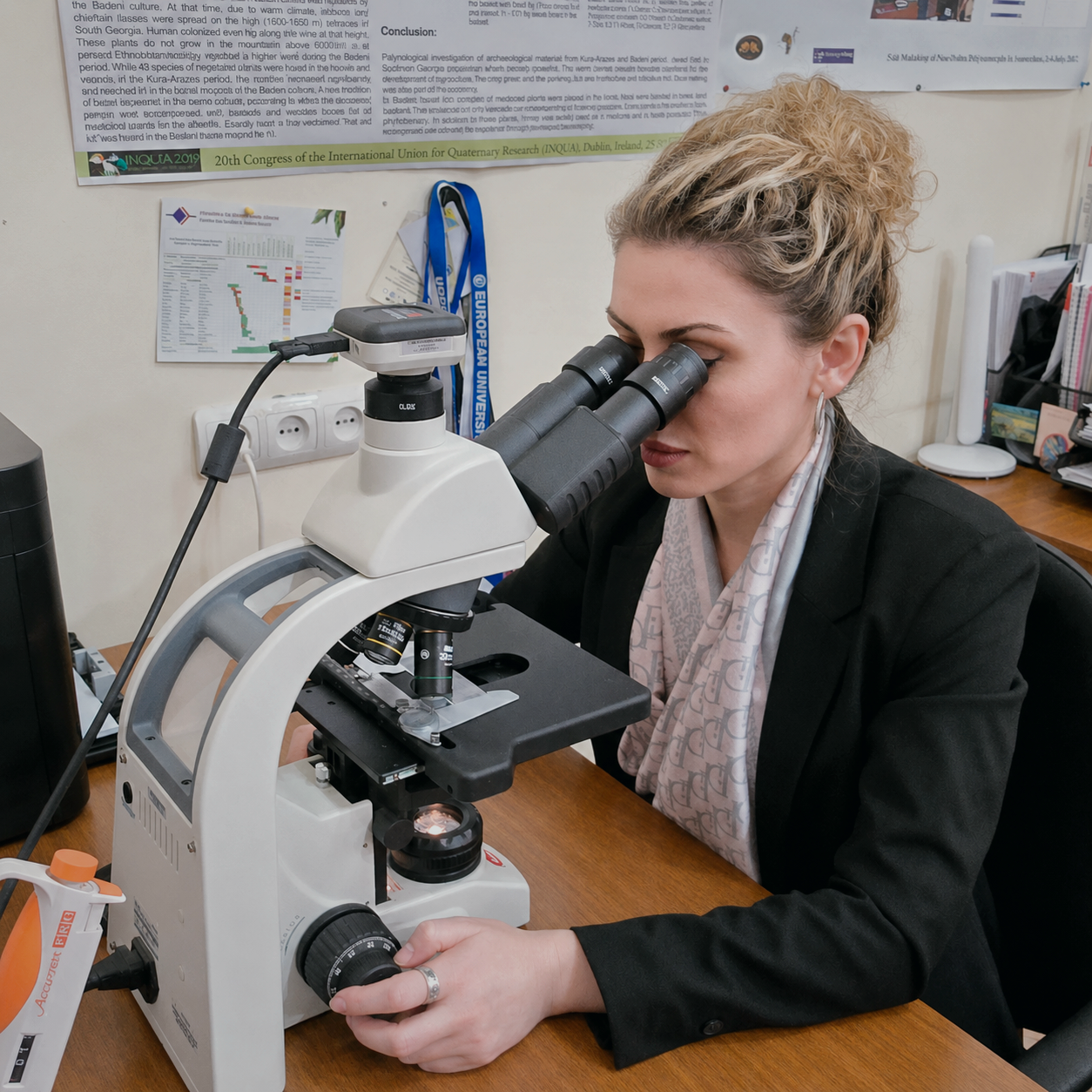
პალინოლოგიური კვლევა
რაბათის ნამოსახლარის შესწავლის ერთ-ერთი მნიშვნელოვანი ნაწილი მისი პალინოლოგიური კვლევაა. იგი შეისწავლის გათხრების შედეგად მოპოვებულ ნივთებზე ან შენობის იატაკზე არსებულ უხილავ მცენარეთა და სხვა ორგანული ნივთების მტვერს. ამ პატარა ნაწილაკების მიკროსკოპით შესწავლა არქეოლოგებს ეხმარება აღადგინონ წარსულის ბუნება და ადამიანის საქმიანობა. რაბათის ნამოსახლარზე პალინოლოგიურ კვლევას ატარებს საქართველოს ეროვნული მუზეუმის უფროსი მეცნიერ-თანამშრომელი ინგა მარტყოფლიშვილი. […]
4/2/26
ArchaeologyDr. David Brown
3/25/26
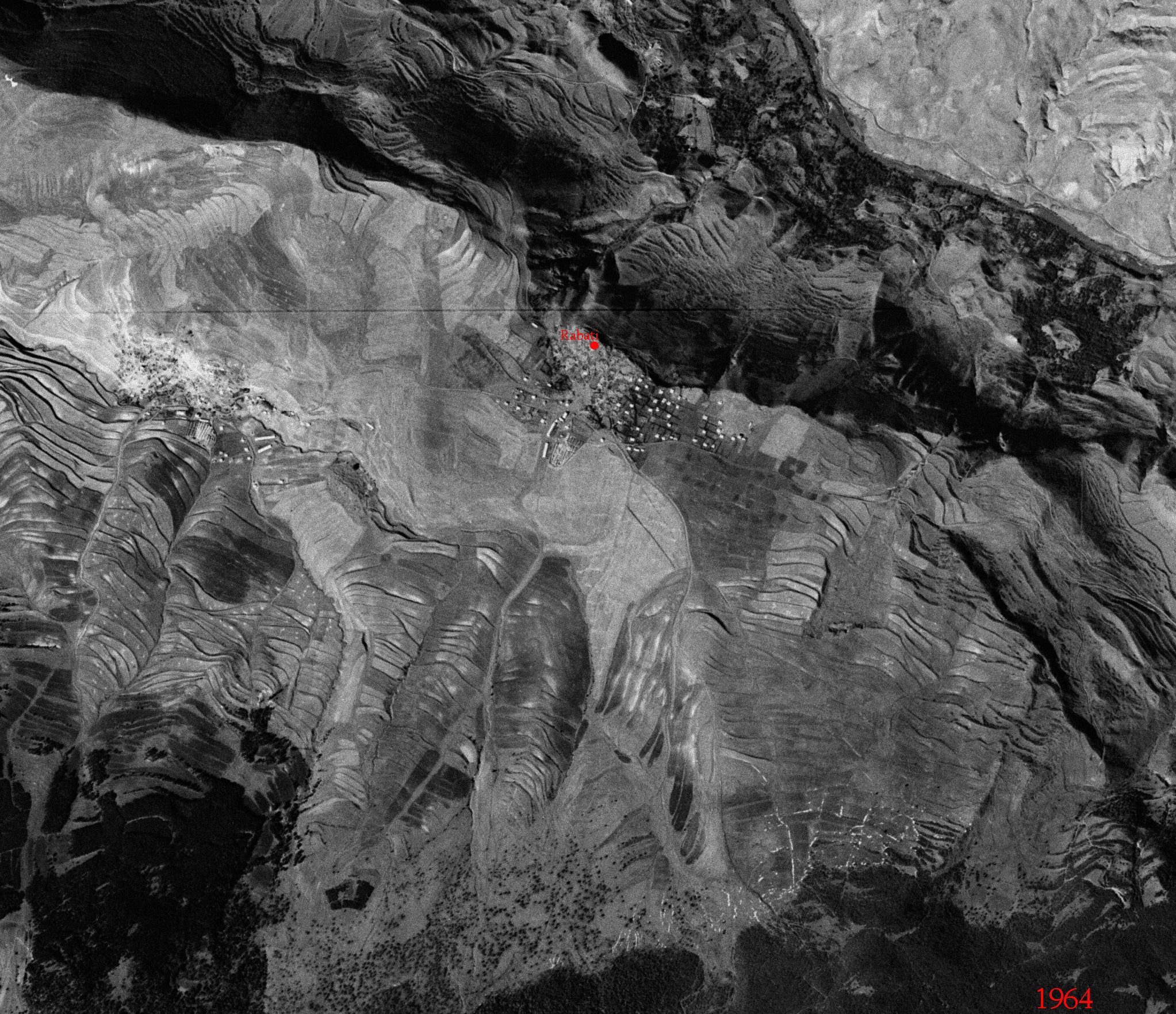
ძველი საიდუმლო სამხედრო აეროფოტოები გვეხმარება არქეოლოგიური ობიექტების ამოცნობაში
1964 წელს გადაღებული საიდუმლო ამერიკული სამხედრო აეროფოტოები (CORONA), 1973 წლის საბჭოთა ანალოგიური სამხედრო აეროფოტოები და Google Earth-ის ყველაზე ადრეული, 2003 წლის მონაცემები იძლევა უნიკალურ შესაძლებლობას დავადგინოთ, თუ როგორ შეიცვალა სოფელი ზველის არქეოლოგიური ლანდშაფტი გასულ საუკუნეში სამშენებლო და სასოფლო-სამეურნეო საქმიანობის შედეგად, ასევე გამოვავლინოთ ის არქეოლოგიური ძეგლები, რომლებიც დღეს უკვე აღარ იკითხება ან სრულად არის დაკარგული. CORONA […]
3/25/26
ConservationDr. Maria Chen
3/25/26
Metal Artifact Conservation
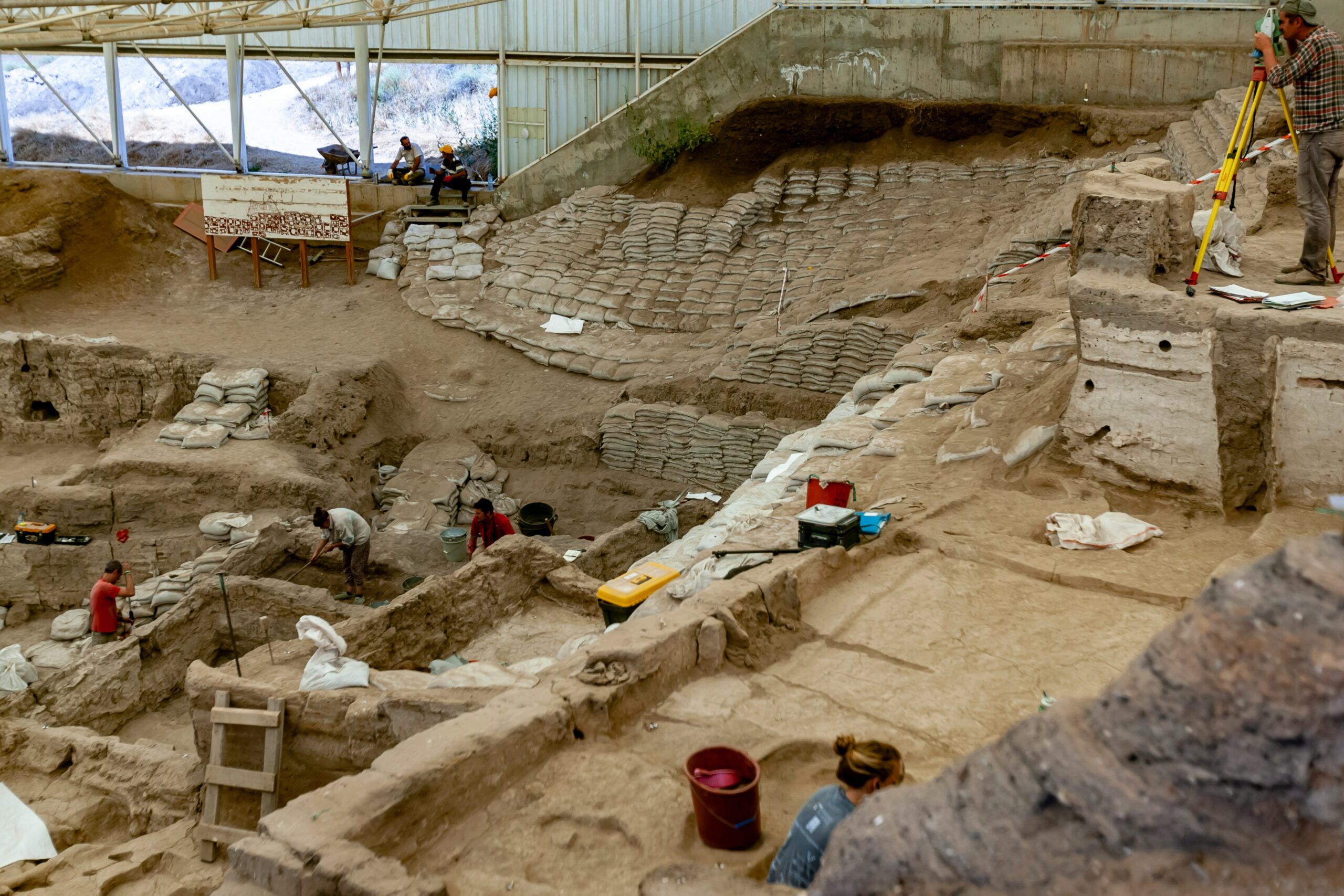
The post-excavation treatment of metal artifacts has been a major focus this season. Bronze and iron objects require specialized conservation to prevent further corrosion. X-ray analysis has revealed hidden details in heavily corroded objects, including decorative patterns and construction techniques not visible to the naked eye. After stabilization, these artifacts will be prepared for long-term […]
3/25/26
ConservationDr. Elena Kovacs
3/25/26
otanical and Environmental Reconstruction
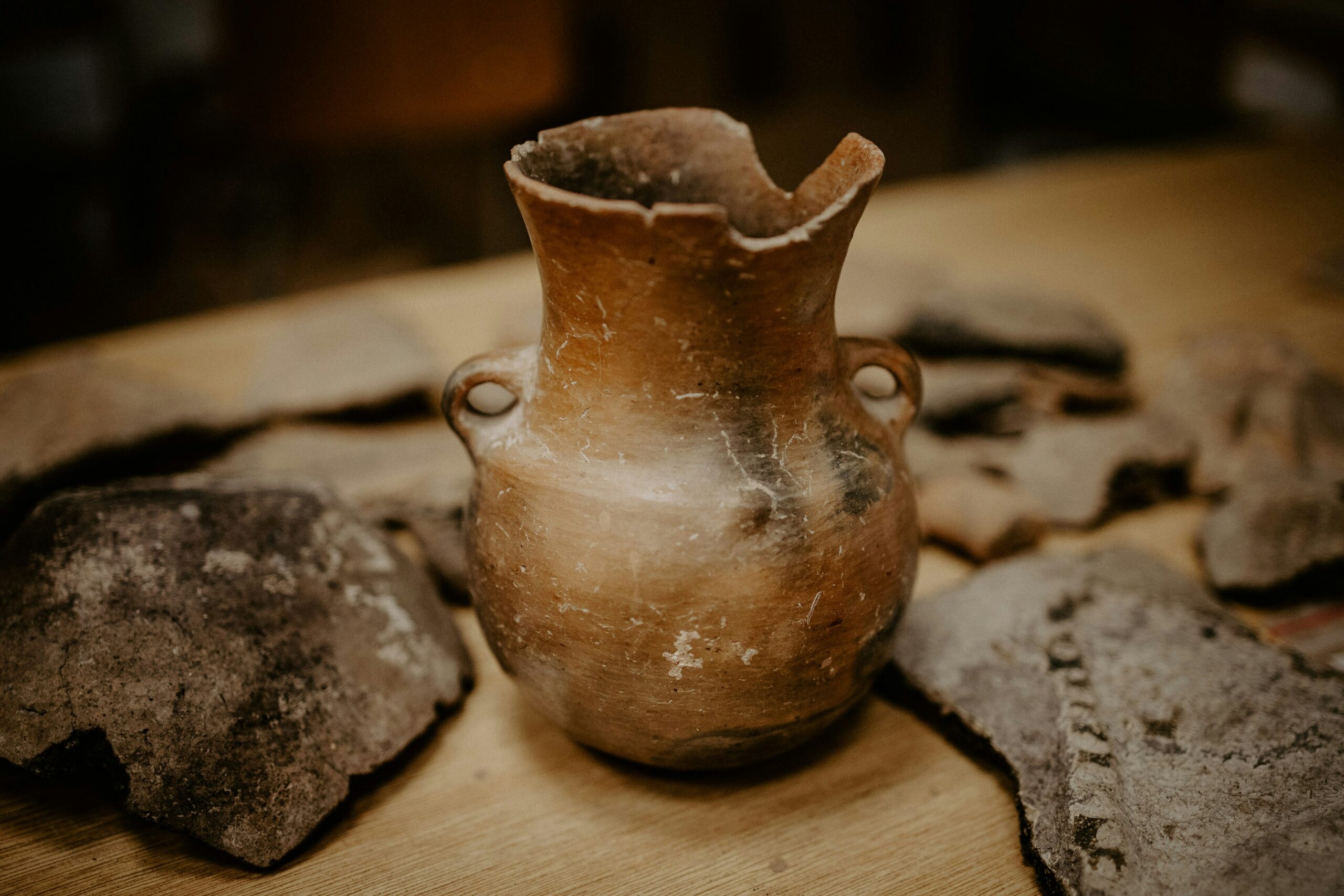
Palaeobotanical analysis of soil samples has yielded an impressive array of plant remains, including domesticated cereals, legumes, and wild species. The environmental reconstruction based on these findings suggests a mixed agricultural economy with supplementary gathering activities. Charcoal analysis has provided insights into wood selection for fuel and construction, as well as changes in the local […]
3/25/26
AnalysisProf. John Smith, Prof. Sarah Williams
3/25/26
Osteological Study of Human Remains
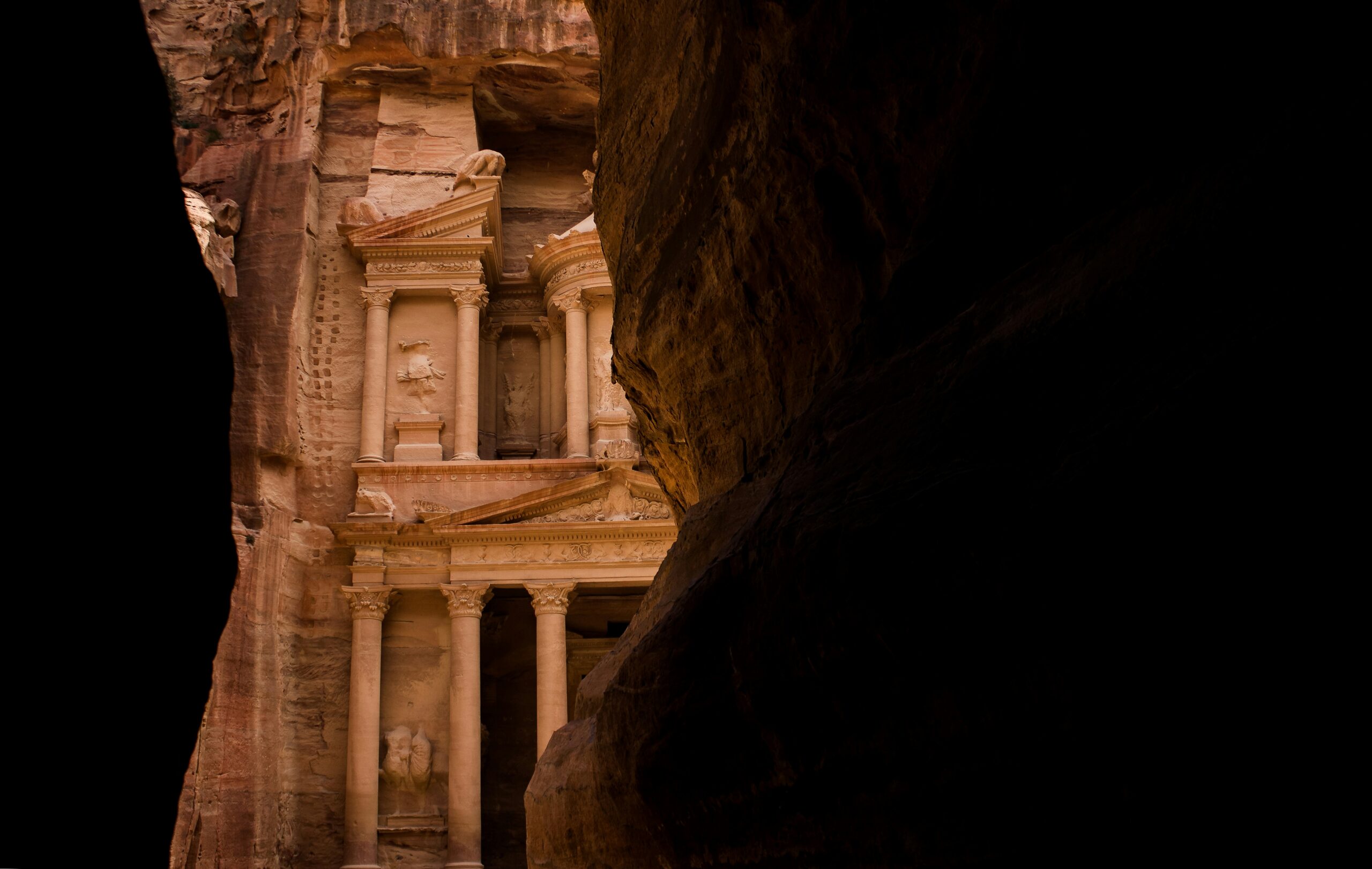
The osteological analysis of human skeletal remains from the burial contexts has revealed important demographic and health information about the ancient population. Our bioarchaeologists have documented evidence of various pathological conditions, trauma patterns, and dietary indicators through stable isotope analysis. This research contributes to our understanding of life in ancient Georgia and the challenges faced […]
3/25/26
ArchaeologyDr. Elena Kovacs
3/25/26
Ceramic Analysis and Conservation
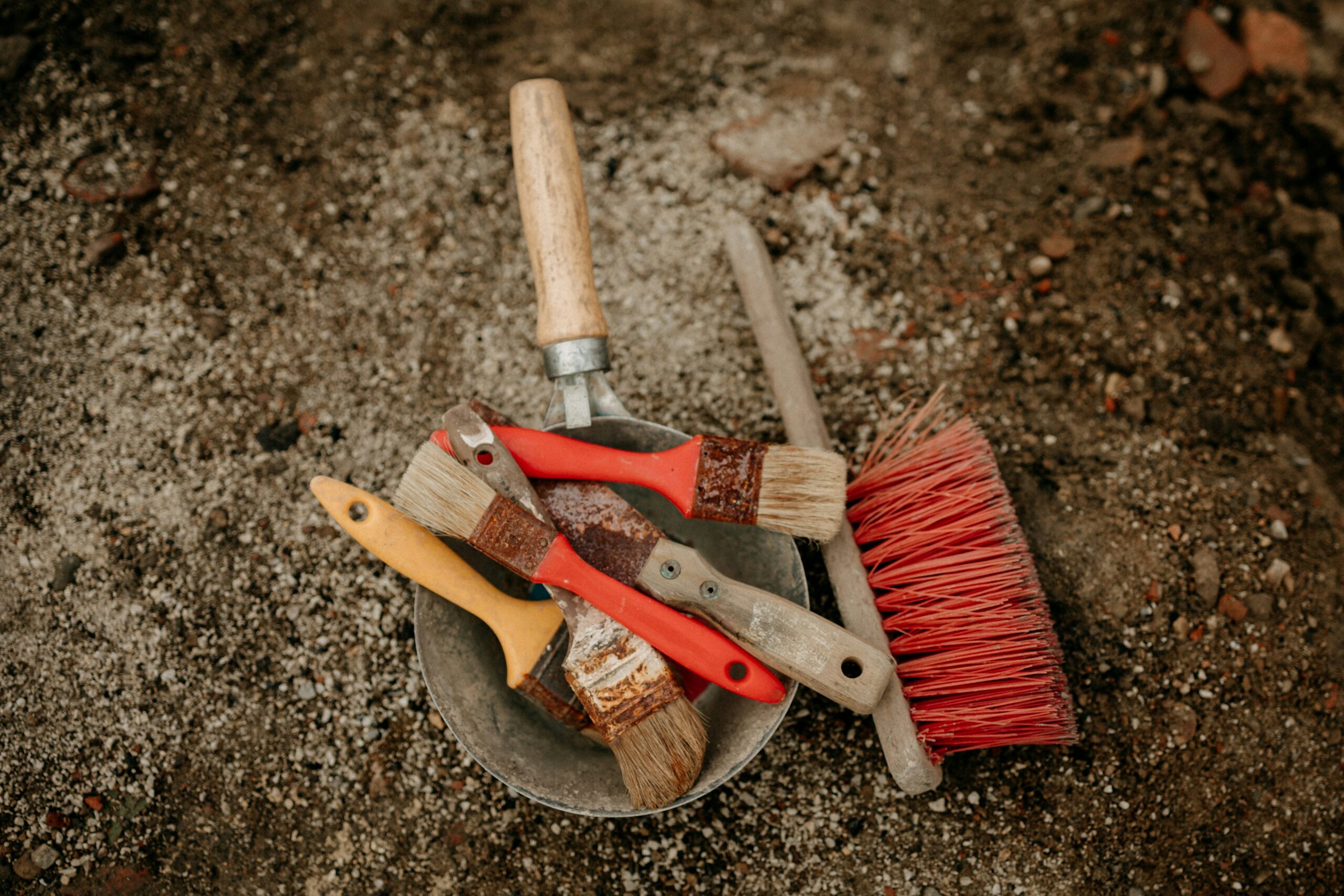
This post-excavation analysis focuses on the ceramic assemblage recovered from the 2024 excavation season. Our team has identified several distinct pottery traditions spanning multiple periods of occupation. The conservation work involves careful cleaning, stabilization, and reconstruction where possible. Each fragment is documented and catalogued before any intervention. Preliminary results suggest strong trade connections with neighboring […]
3/25/26
ConservationDr. David Brown, Prof. Sarah Williams
3/25/26
Stratigraphic Analysis and Site Phasing
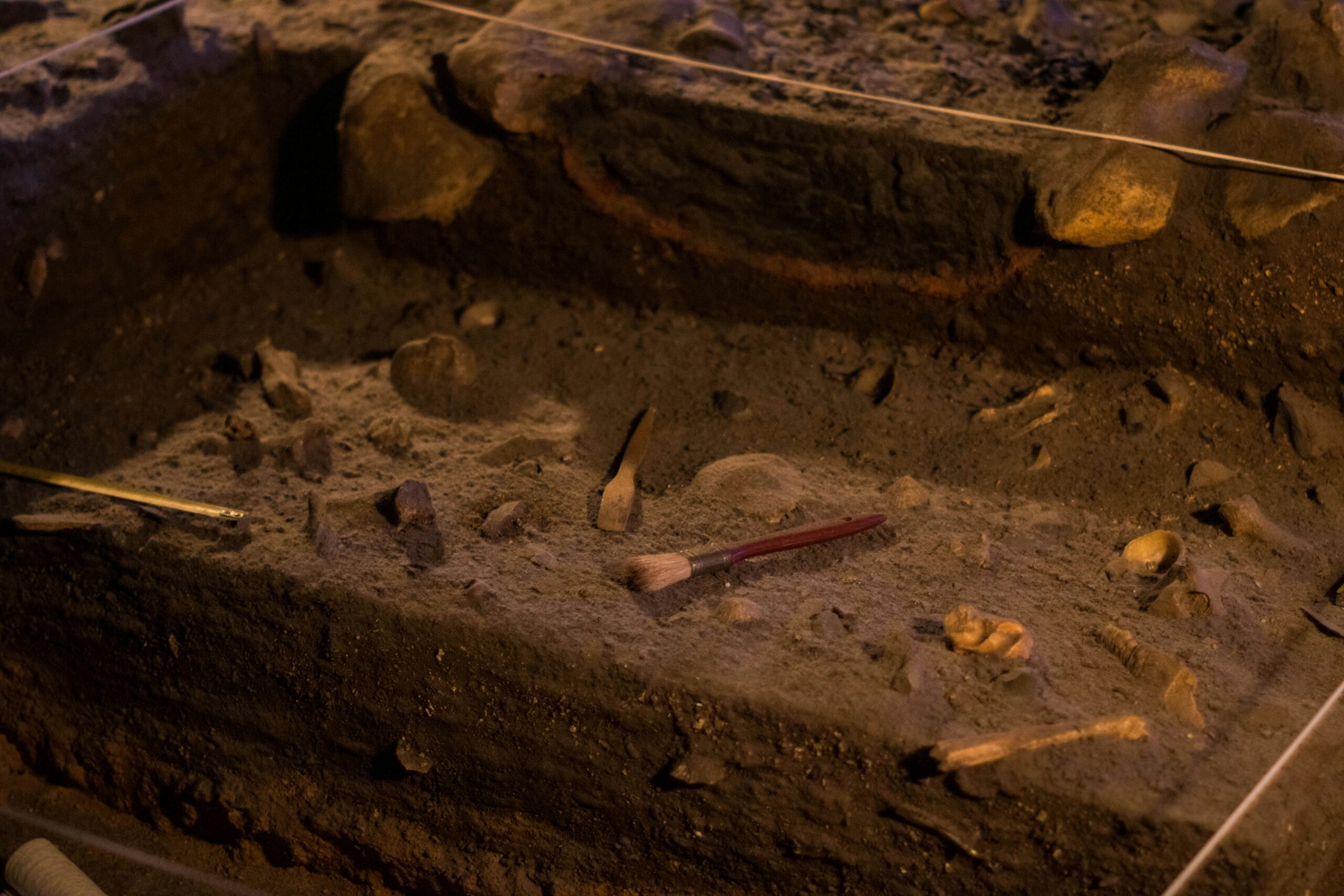
The post-excavation stratigraphic analysis has allowed us to refine our understanding of the site’s occupation sequence. By correlating layer descriptions, artifact distributions, and radiocarbon dates, we have established a detailed chronological framework for the settlement. This work is essential for interpreting the spatial organization and development of the site through time.
3/25/26
ArchaeologyProf. Sarah Williams
3/25/26
Metal Artifact Conservation
The post-excavation treatment of metal artifacts has been a major focus this season. Bronze and iron objects require specialized conservation to prevent further corrosion. X-ray analysis has revealed hidden details in heavily corroded objects, including decorative patterns and construction techniques not visible to the naked eye. After stabilization, these artifacts will be prepared for long-term […]
3/25/26
DocumentationProf. John Smith, Prof. Sarah Williams
3/25/26
Botanical and Environmental Reconstruction
Palaeobotanical analysis of soil samples has yielded an impressive array of plant remains, including domesticated cereals, legumes, and wild species. The environmental reconstruction based on these findings suggests a mixed agricultural economy with supplementary gathering activities. Charcoal analysis has provided insights into wood selection for fuel and construction, as well as changes in the local […]
3/25/26