Logo

Discoveries

Our expedition has published 42 catalogues including themed exhibitions, annual softcover publications and our hardcover "Crystal" edition. Contact us to join the mailing list.

Discoveries
Cuneiform-Inscribed Cylinder Seal

Cuneiform-Inscribed Cylinder Seal

A rare cylinder seal bearing cuneiform inscription, indicating direct contact with Mesopotamian civilization. The seal depicts a worship scene with figures before a seated deity, typical of late 3rd millennium BCE Mesopotamian art. This find represents one of the earliest examples of cross-cultural exchange with ancient Near Eastern powers.

Stone Altar Fragment

Stone Altar Fragment

A carved basalt altar fragment preserving part of a religious scene with offering table and possible divine imagery. The iconography suggests connections to regional cult practices centered on agricultural fertility and ancestor veneration. This discovery marks the first evidence of formal cult architecture at the site.

Bronze Fibula with Animal Motif

Bronze Fibula with Animal Motif

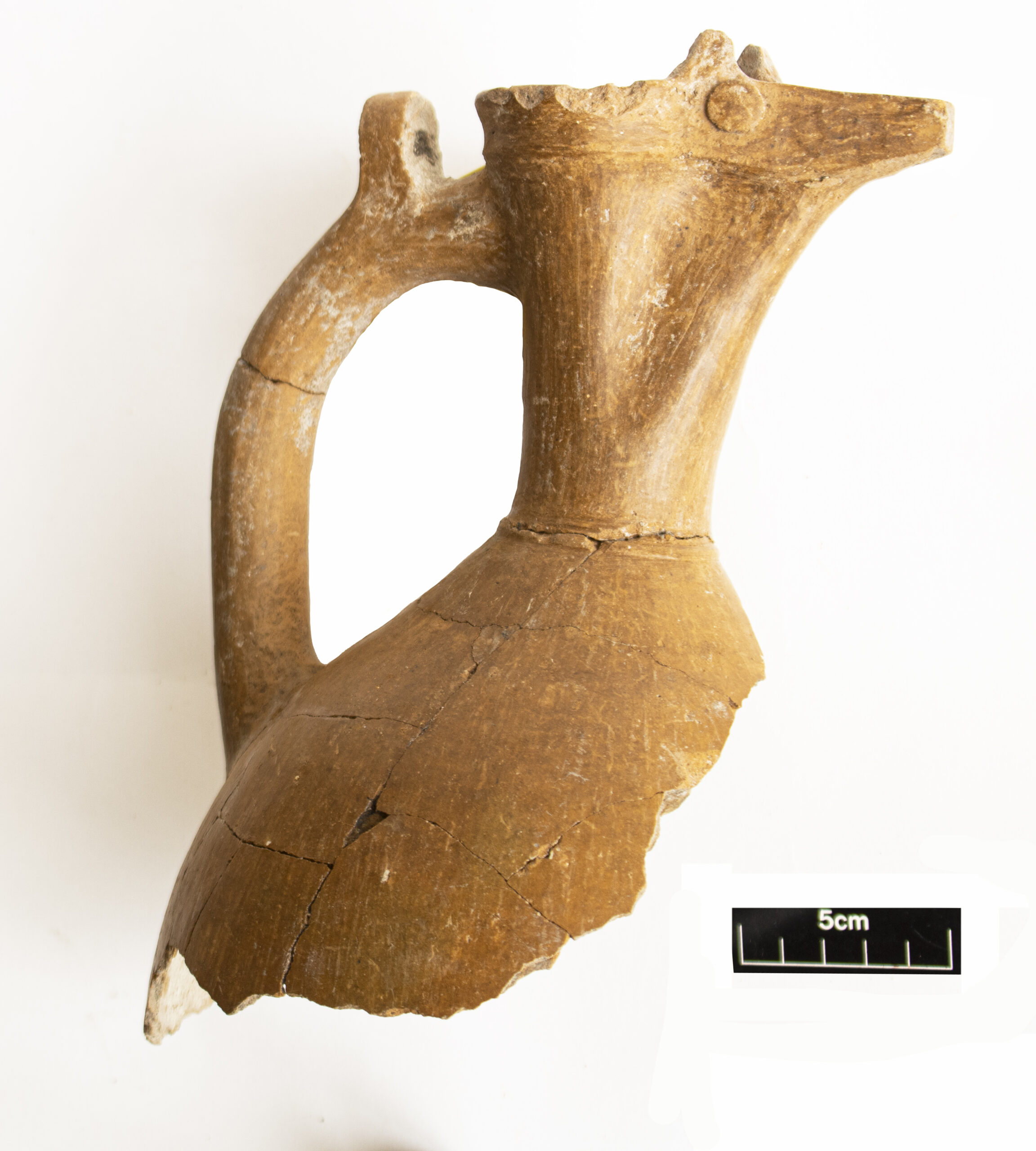
An elaborate bronze fibula (brooch) featuring a stylized animal head, likely representing a ram or bull. The pin demonstrates advanced metalworking including casting and cold-working techniques to achieve fine details. Such fibulae served both functional and decorative purposes, marking social identity and status.

Terracotta Figurine

Terracotta Figurine

Lorem ipsum dolor sit amet, consectetur adipiscing elit, sed do eiusmod tempor incididunt ut labore et dolore magna aliqua. Ut enim ad minim veniam, quis nostrud exercitation Lorem ipsum dolor sit amet, consectetur adipiscing elit, sed do eiusmod tempor incididunt ut labore et dolore magna aliqua. Ut enim ad minim veniam, quis nostrud exercitation

Obsidian Core and Blades

Obsidian Core and Blades

A collection of obsidian artifacts including a prepared core and multiple prismatic blades demonstrates sophisticated stone tool production. Geochemical sourcing identifies the raw material as originating from volcanic deposits over 200 kilometers distant. These finds provide evidence of long-distance exchange networks operating during the Neolithic period.

Iron Age Warrior Helmet

Iron Age Warrior Helmet

This bronze helmet represents military equipment of the Iron Age warrior elite, dating to approximately 800-600 BCE. The helmet shows evidence of battle damage and subsequent repair, indicating active use before deposition as a grave offering. Stylistic parallels connect this find to broader Near Eastern metallurgical and military traditions.

Painted Ceramic Vessel

Painted Ceramic Vessel

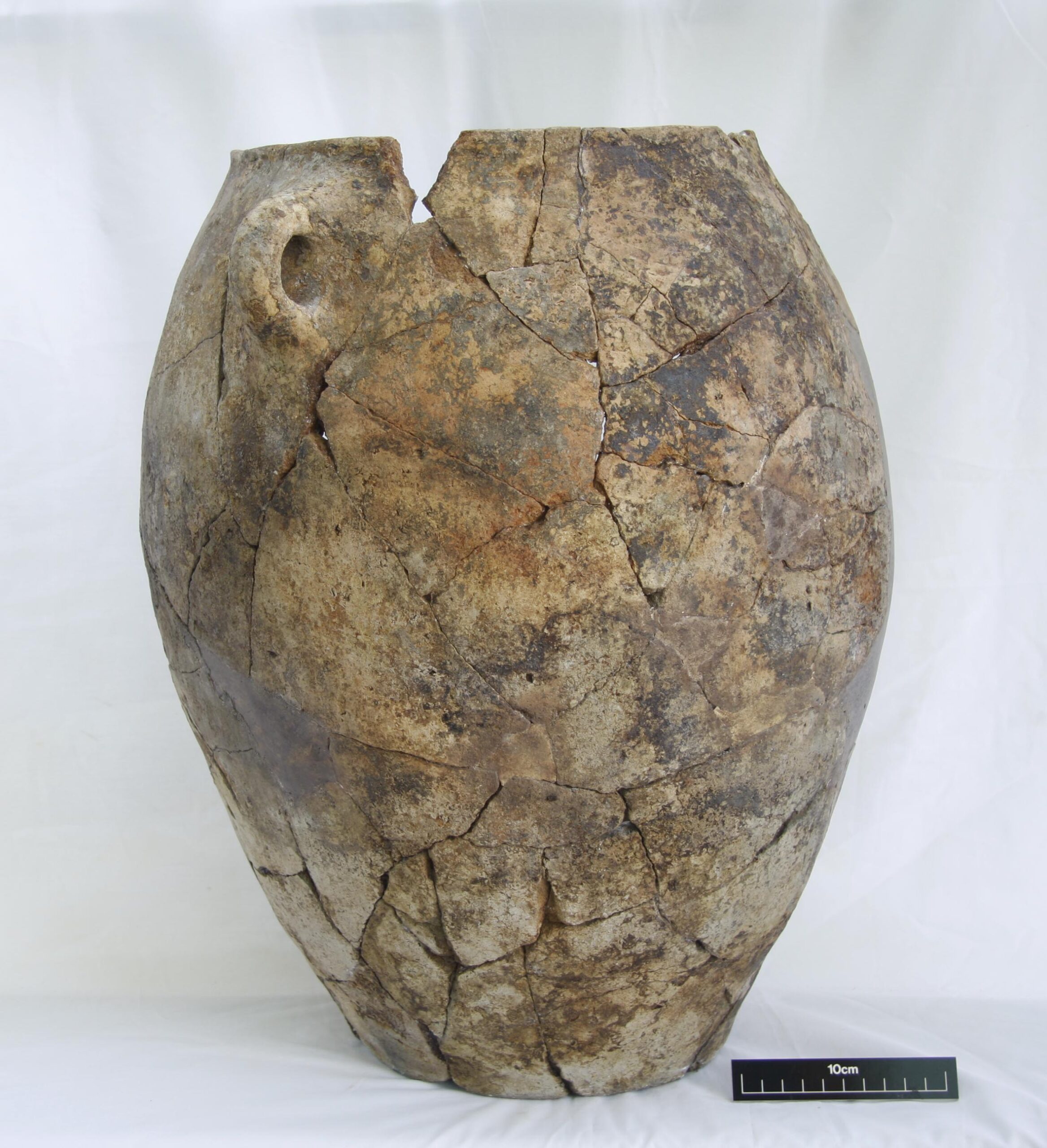
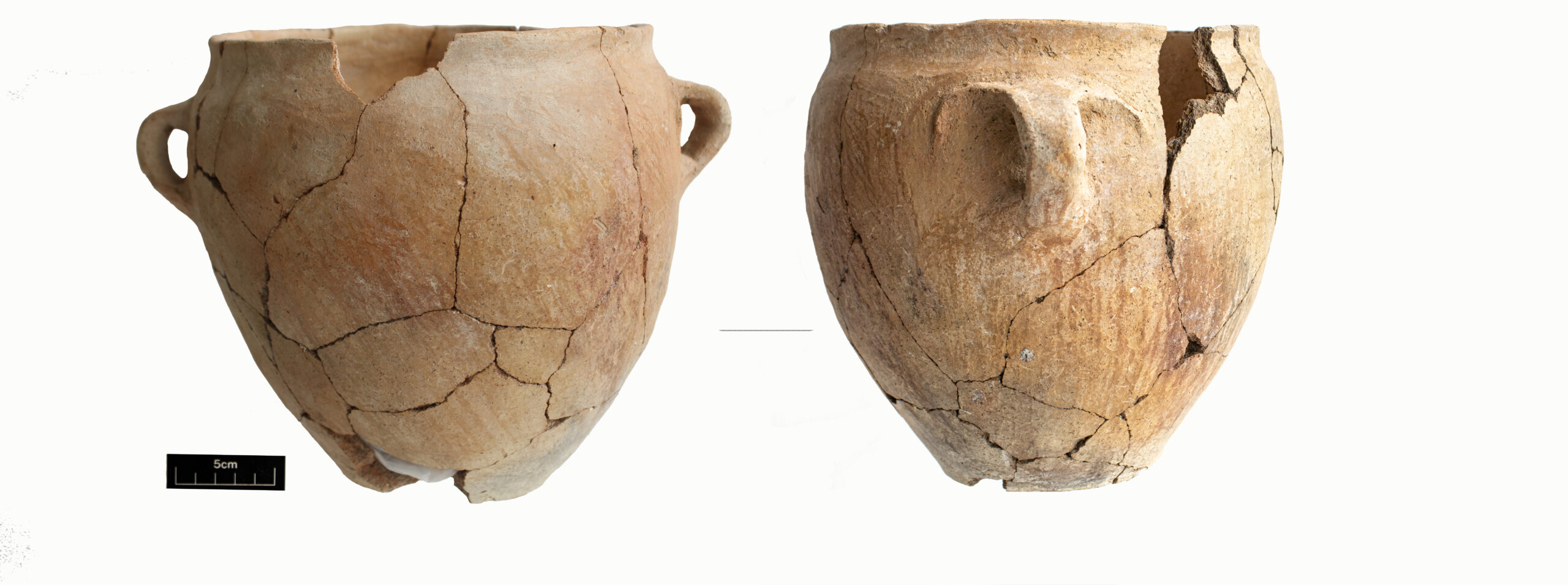
A remarkably well-preserved painted ceramic vessel representing the distinctive pottery tradition of the Middle Bronze Age Caucasus. The vessel features geometric and zoomorphic motifs executed in black and red pigments on a buff background. Analysis of organic residues indicates the vessel was used for storing fermented beverages, possibly wine.

Gold Ornamental Pendant

Gold Ornamental Pendant

This exquisite gold pendant was found in a Late Bronze Age burial alongside other prestigious grave goods. The piece displays sophisticated goldsmithing techniques including granulation and filigree work characteristic of elite craftsmanship. Iconographic analysis suggests connections to solar symbolism prevalent in ancient Caucasian religious traditions.

Inscribed Clay Tablet

Inscribed Clay Tablet

One of the most significant finds from the excavation, this clay tablet bears early writing symbols predating the known Georgian script. The inscription appears to be an administrative or religious text, with repeated symbols suggesting a counting or inventory system. This discovery has profound implications for understanding the development of literacy in the South Caucasus […]

Bronze Age Ceremonial Dagger

Bronze Age Ceremonial Dagger

This exceptional bronze dagger was discovered in a high-status burial context at Grakliani Hill, dating to approximately 2000 BCE. The weapon features an elaborately decorated hilt with geometric patterns and traces of original organic handle material preserved through mineralization. Metallurgical analysis reveals a sophisticated tin-bronze alloy, indicating access to long-distance trade networks for raw materials.

Cuneiform-Inscribed Cylinder Seal

Cuneiform-Inscribed Cylinder Seal

A rare cylinder seal bearing cuneiform inscription, indicating direct contact with Mesopotamian civilization. The seal depicts a worship scene with figures before a seated deity, typical of late 3rd millennium BCE Mesopotamian art. This find represents one of the earliest examples of cross-cultural exchange with ancient Near Eastern powers.

Stone Altar Fragment

Stone Altar Fragment

A carved basalt altar fragment preserving part of a religious scene with offering table and possible divine imagery. The iconography suggests connections to regional cult practices centered on agricultural fertility and ancestor veneration. This discovery marks the first evidence of formal cult architecture at the site.

Bronze Fibula with Animal Motif

Bronze Fibula with Animal Motif

An elaborate bronze fibula (brooch) featuring a stylized animal head, likely representing a ram or bull. The pin demonstrates advanced metalworking including casting and cold-working techniques to achieve fine details. Such fibulae served both functional and decorative purposes, marking social identity and status.

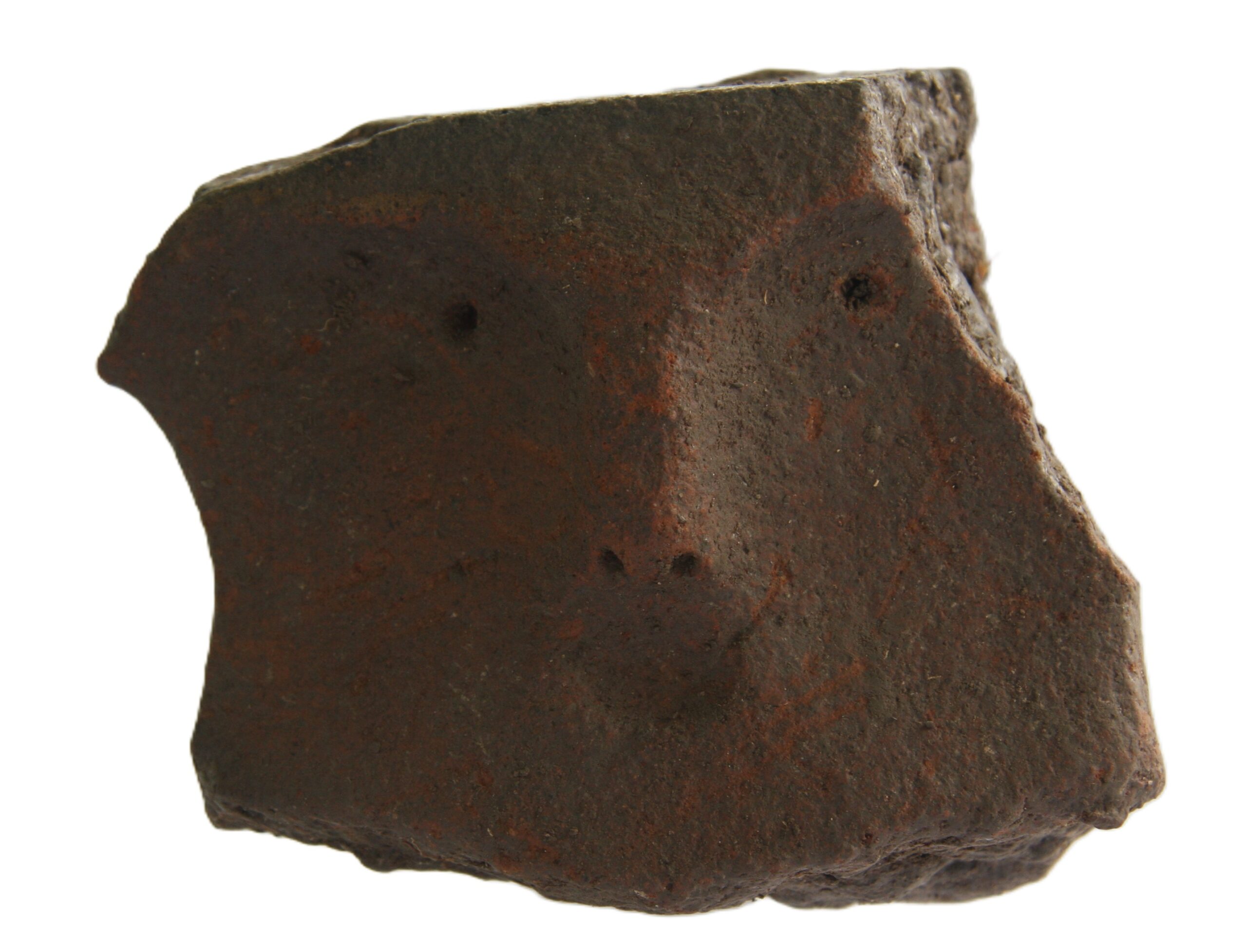
Terracotta Figurine

Terracotta Figurine

This anthropomorphic terracotta figurine represents human form with emphasized features suggesting ritual or symbolic significance. The object was recovered from a domestic context associated with a Bronze Age household shrine area. Similar figurines across the region suggest shared religious beliefs and iconographic traditions.

Obsidian Core and Blades

Obsidian Core and Blades

A collection of obsidian artifacts including a prepared core and multiple prismatic blades demonstrates sophisticated stone tool production. Geochemical sourcing identifies the raw material as originating from volcanic deposits over 200 kilometers distant. These finds provide evidence of long-distance exchange networks operating during the Neolithic period.

Iron Age Warrior Helmet

Iron Age Warrior Helmet

This bronze helmet represents military equipment of the Iron Age warrior elite, dating to approximately 800-600 BCE. The helmet shows evidence of battle damage and subsequent repair, indicating active use before deposition as a grave offering. Stylistic parallels connect this find to broader Near Eastern metallurgical and military traditions.